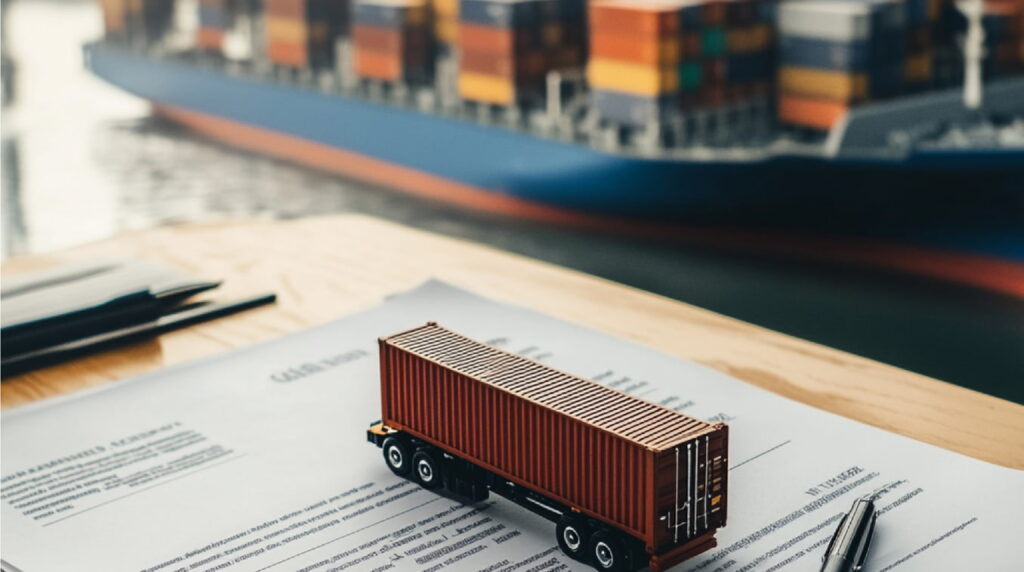
If your business ships products, you’ve probably come across the terms cargo insurance and marine insurance. They’re often used interchangeably but they don’t actually mean the same thing. Both are designed to protect businesses involved in transporting goods but they cover different risks and serve different purposes.
You see, cargo insurance protects the goods you’re shipping, while marine insurance is a broader category that can also cover vessels, freight interests and certain transport-related liabilities. Understanding the difference between cargo insurance and marine insurance can help you choose cover that matches the way your business operates.
Understanding Marine Insurance
Marine insurance is a broad type of commercial insurance that protects businesses involved in the transportation of goods and other maritime-related risks. Although marine insurance originated with ocean transport, modern marine insurance policies often cover goods transported by sea, air, road and rail. Depending on the policy, marine insurance can cover cargo, vessels, freight interests and liabilities connected with shipping operations.
Why do businesses need it? Goods may be damaged during handling, shipments can be affected by unforeseen events while in transit and contractual responsibilities can create additional exposure. Marine insurance helps businesses manage those risks by providing suitable financial protection.
In summary, marine cargo insurance specifically protects goods in transit, whereas broader marine insurance can also cover vessels, freight interests and transport-related liabilities.
What Is Cargo Insurance?
Then you have cargo insurance. This type of insurance is designed specifically to protect the products or merchandise being transported from one location to another. Unlike broader marine insurance policies, it does not insure the ship, aircraft, truck or any other vehicle carrying the goods.
Instead, cargo insurance UAE protects the shipment itself. Depending on the policy wording, cargo insurance may cover risks such as theft, accidental damage, loss during transit and certain natural events.
Which types of businesses typically use this one? Those bringing electronics into the country, exporters shipping food products overseas, manufacturers moving machinery and wholesalers distributing stock are a few examples.
The important distinction is that cargo insurance protects the shipment itself. It is a type of goods in transit insurance. It does not extend to covering ships, aircraft, freight operators or wider transport liabilities, making it a more focused form of insurance.
Cargo Insurance vs Marine Insurance: Key Differences
The easiest way to understand cargo insurance vs marine insurance is to compare the two directly.
| Feature | Cargo Insurance | Marine Insurance |
| Purpose | Protects goods in transit | Protects cargo and other transport-related interests |
| Covers | Goods only | Cargo, vessels, freight interests, liabilities |
| Best for | Businesses shipping products | Cargo owners, ship owners, freight forwarders, logistics providers |
| Scope | Focused | Broader |
| Typical buyers | Importers, exporters, manufacturers, traders | Shipping companies, logistics operators, cargo owners, vessel owners |
Which Type of Insurance Does Your Business Need?
The right choice depends on how your business operates, how frequently you ship goods and the risks involved.
A standalone cargo insurance policy may be sufficient if you:
- Need to protect products while they are in transit.
- Import or export goods occasionally.
- Do not own or operate transport vessels.
- Want cover focused specifically on individual shipments.
Broader commercial marine insurance may be more suitable if you:
- Arrange shipments on a regular basis.
- Own or operate vessels.
- Have contractual responsibilities connected with shipping.
- Face wider transport-related risks beyond the cargo itself.
It is worth considering how often you ship, the value of your cargo, the destinations involved and your contractual obligations before deciding which type of policy works best for your needs.
How to Choose the Right Coverage
Choosing suitable insurance starts with understanding your shipping operations.
The value of your goods is an important factor. Higher-value shipments generally require stronger financial protection. Shipping frequency also matters. Businesses sending products regularly often benefit from reviewing policies that provide ongoing protection rather than arranging insurance for every individual shipment.
You should also consider whether your goods travel domestically or internationally. Why? Because international shipments may involve multiple carriers, customs procedures and longer transit times, all of which can influence the level of cover required.
The method of transport is equally important. Whether your goods move by sea, air, road, rail or through a combination of transport methods, your policy should match your supply chain.
Also, contractual responsibilities are another key consideration. Depending on your sales agreements, responsibility for goods may transfer between buyer and seller at different stages of the journey.
Before selecting a policy, review any exclusions, coverage limits, deductibles and conditions carefully. As this information can be quite challenging to understand, working with an experienced insurance broker can make the process much easier. They can explain policy differences, compare available options and recommend protection that fits both your day-to-day operations and your future plans.
Closely Related But Not the Same Thing
Although cargo insurance and marine insurance are closely related, they are not the same. Cargo insurance focuses on protecting the goods being transported,while marine insurance provides broader protection that may include cargo, vessels, freight interests and transport-related liabilities. Choosing the right policy depends on your shipping activities, contractual responsibilities and overall risk exposure.
Understanding the difference between cargo insurance and marine insurance allows businesses to choose cover that reflects the way they operate and helps reduce the risk of gaps in protection. Whether you’re looking for import export insurance, freight insurance UAE, or broader shipping insurance UAE solutions, selecting the right policy is an important part of managing your supply chain.
If you’re unsure which type of insurance best suits your business, Petra Insurance Brokers can help. Our experienced team will explain your options, compare available policies and recommend a marine insurance solution that aligns with your shipping operations and risk profile.