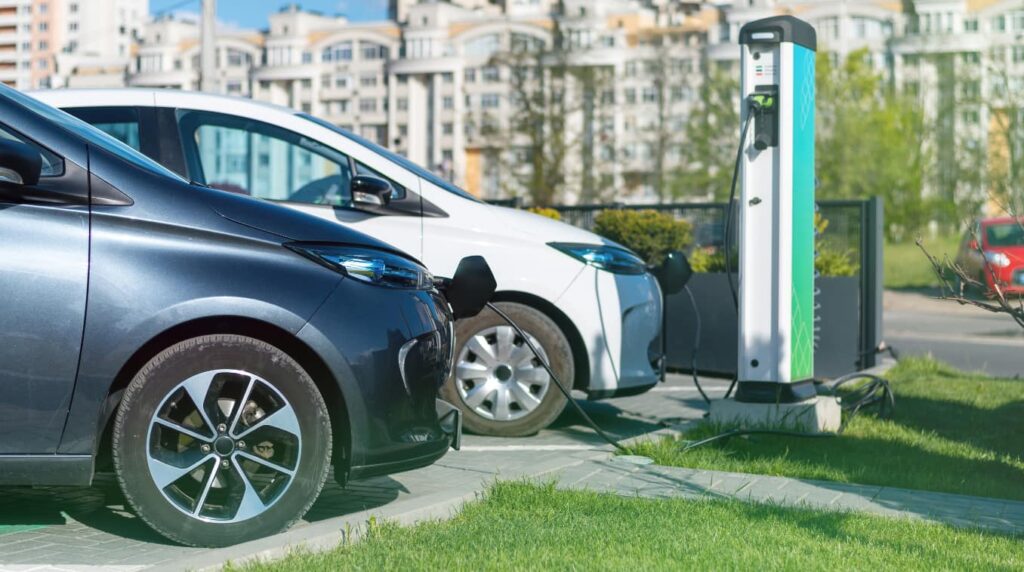
Electric vehicles are now a common sight on Sheikh Zayed Road, in shopping-centre car parks and at charging stations across Dubai. Being behind the wheel may seem easy and effortless. It’s plugged in, and you can track the battery’s charge status via an app, for a quieter ride that requires less mechanical maintenance.
Properly insuring an EV isn’t as easy. Many drivers think that a full auto policy includes everything on the car or truck, including all of the larger components and accessories. In practice, there may be differences in insurers and policy wording for battery damage and portable charging cables or incidents at public charging stations.
That difference is significant as the highest risks are frequently the ones that aren’t ‘seen’ when comparing quotes. Relying on the assumption that your battery or charging equipment will be safe from accidents, theft, or other charging problems may lead to an out-of-pocket expense after an incident.
The Battery Is Your Electric Vehicle’s Biggest Asset
Typically, the costliest component of an EV is the battery. It is also located below the vehicle on many models, so it’s not always a big collision.
The battery casing or protective structure can be damaged by a scrape against a high-speed bump, road debris, or something passing under the vehicle. At first, the vehicle might run normally, but a damaged casing can raise safety issues and necessitate an expert inspection.
A battery repair is also different from a traditional engine repair. Technicians trained to work with high-voltage systems may need to isolate, test, or replace a damaged battery pack. The inspection can be costly and time-consuming even if just a part of the pack is involved.
Hence, electric car battery coverage shouldn’t be viewed as a technical element of the insurance discussion but rather as the main topic.
What Battery Damage Is Usually Covered?
Regardless, if the battery damage is a direct consequence of an insured event, a comprehensive EV policy will typically respond. It can be a road traffic accident, fire, flood, theft, or any other sudden accidental event included in the policy.
For instance, if the EV is in an accident and the battery pack requires repair or replacement, the insurer might handle the repair or replacement cost, subject to the terms and conditions of the policy, excess and claim approval, and battery pack depreciation.
It is causation that is key. Normally, the damage needs to be caused by an insured event, instead of the battery becoming less functional over time.
Another point to consider for drivers looking for electric car battery coverage in Dubai is whether the coverage extends to damage affecting the vehicle’s undercarriage. A policy can state that it covers accidental damage but not provide details on how damage to the battery casing from road debris or a speed bump will be determined.
Battery Degradation Is Not an Insurance Claim
EV batteries have a lifetime of decreasing capacity due to aging, usage, and heat exposure, even with normal usage. This is called battery degradation.
In most cases, a gradual degradation will be considered wear and tear, and not accidental damage. So it will not typically be covered by motor insurance.
A manufacturer’s battery warranty may respond if the battery’s capacity falls below a specified threshold within the applicable time or mileage limit. Normal reductions in range or capacity may not qualify, so owners should check the particular manufacturer’s warranty conditions.
This is the same with manufacturing defects and recalls. Motor insurance is intended to respond to sudden and unforeseen events covered under the policy. It does not replace the manufacturer’s responsibility for defects, recalls or qualifying warranty claims, nor does it guarantee that a battery will maintain its original capacity indefinitely.
Drivers should thus be aware of the point at which their car insurance coverage ends, and at which the manufacturer’s warranty takes over with electric cars in the UAE.
Petra Tip
Don’t assume that the quotation means ‘comprehensive’ when it comes to the battery’s protection. Talk to an insurance professional about how the battery damage will be dealt with, if the undercarriage damage is covered as well, and which repair shops are permitted to inspect high-voltage batteries.
The wording of an agency repair may not address all battery-related questions. The key question is if the vehicle will go to a workshop that is approved and, more importantly, has the facilities to work safely on that specific EV.
EV Charging Cables and Portable Equipment Need Separate Attention
The risk associated with charging equipment is a type of risk that petrol and diesel vehicle owners don’t normally have to worry about.
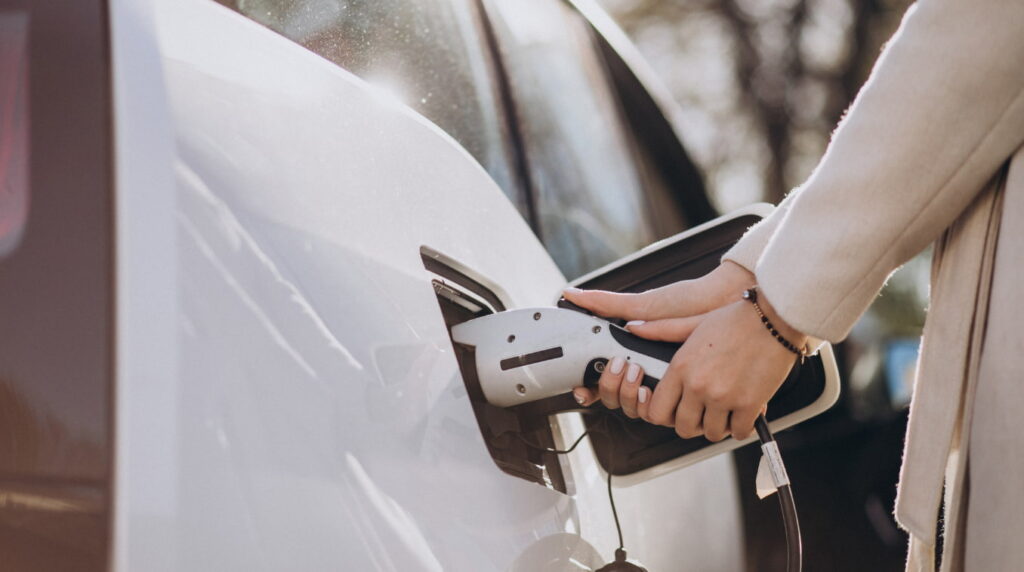
The portable charging cable can be provided with the vehicle and stored in the boot. It can be used at home, work, or in communal car parks. Portable chargers and adapters can also be quite costly to replace.
Charging cables may be exposed to accidental damage while in use or stored in the vehicle. They can be driven over, crushed, improperly disconnected or damaged during an incident in a parking area.
Theft is another worry. Charging cables are a valuable material and can be left unattended in publicly accessible places. The cable may be damaged even if the connector makes it into the vehicle when there is an attempted theft.
Protection for EV charging cables should thus not be assumed to be included in the vehicle’s standard accessories coverage.
Home Chargers and Portable Cables May Fall Under Different Policies
A permanently installed home wall charger can be considered to be different from equipment carried in the vehicle.
Moreover, a wall box is part of the property and could be covered under buildings and contents insurance instead of under the motor insurance policy on the EV. Who owns the property, who bought the charger and how it was installed can be factors in determining the correct treatment.
For instance, a charger installed by a landlord might require a different type of coverage compared to a charger bought by the tenant. Fire damage, electrical issues, flood, and accidental damage can also involve different parts of a house policy.
Portable cables and adapters are in a murky place. While they are not permanent, insurers may not consider them standard vehicle add-ons either.
This is where the EV charging equipment insurance comes into play. The portable equipment may be covered up to a specified limit, or an electric vehicle insurance accessories add-on may be required.
Drivers need to find out if protection only kicks in while the cable is stored in the locked car, or if it also covers the cable when it’s plugged into a public charger, the car charger or at work.
Public Charging Incidents Can Involve Several Parties
An incident at a public charging station may not result in a straightforward motor insurance claim.
If your EV is involved in a collision while parked and charging, the resulting vehicle damage may be treated in the same way as other accidental collision damage, subject to the policy terms and claim circumstances. An electrical problem could be due to a damaged charging unit, which could be the responsibility of the charging network, site operator, equipment manufacturer, or other entities.
The position becomes more complicated if both the vehicle and the charging equipment are damaged. The insurer may have to look into the cause before determining which policy will respond.
Regular users of public charging hubs should inquire with the operator about the policy for charging-related incidents and if there is protection for third-party liability in the event of accidental damage to charging equipment.
The policy should also be checked to determine whether the charging cable is covered when it is away from home. Establishing who owns the cable or charging equipment may be important when determining whether it falls under the motor policy, a property policy or the charging operator’s insurance.
The Electric Vehicle Add-on Checklist for UAE Drivers
When considering a policy, the following checklist identifies components and circumstances of EVs that should be verified:
| EV Component | Standard Comprehensive Coverage? | What to Ask Your Broker For |
| Accidental Collision Damage | Yes | Verification of an Authorized EV Workshop |
| Gradual Battery Wear & Tear | No | Covered by manufacturer warranty only |
| Accidental Battery Impact (Debris/Speedbumps) | Mostly Yes | Electric car battery coverage clause check |
| Portable Charging Cables (Theft/Damage) | Varies by Insurer | Charging Equipment Add-on |
| Public Charging Station Incidents | Case-by-Case | Third-party liability verification |
Why Specialized Electric Vehicle Workshops Matter in Dubai
It’s not just a matter of fixing structural panels and painting them.
Even seemingly insignificant incidents can cause camera systems, parking sensors, radar devices and advanced driver-assistance systems to malfunction. These parts may need critical adjustment before the vehicle is fit for roadway driving.
Another level of complexity is added with high voltage battery systems. Specialist training, protective equipment and safe isolation procedures are required for the technicians. A traditional shop might be able to patch up some damage to the bodywork, but won’t be able to evaluate battery pack damage or find an electrical safety problem.
In addition to software matching, software repair can also be included in the repair. Replacement parts may require coding to the vehicle and manufacturer systems may need to be updated or diagnosed.
It is therefore important to confirm whether the policy includes agency repair or provides access to approved workshops qualified to work on the particular EV model, battery system and driver-assistance technology. A lower-priced policy may be less attractive if its approved repair network does not include a suitably qualified EV workshop.
When arranging EV insurance through Petra Insurance Brokers, we consider the available repair options before cover is placed. This includes checking whether the insurer’s repair network includes appropriately qualified EV workshops and reviewing the available coverage for specialist procedures such as battery inspection, sensor calibration and software-related repairs.
Do Not Let Your EV Be Insured Like a Petrol Car
EV ownership has associated risks that were not initially envisioned in traditional motor policies. The battery is a significant component of the vehicle, and charging cables, adapters and wall boxes raise new accessory and property coverage issues.
Don’t wait until after an accident, theft or impact to the undercarriage to discover how your policy treats EV-specific components.
At Petra Insurance Brokers, we review the available coverage for your electric vehicle, including the battery, electronics and charging equipment, and clearly explain the applicable limits, conditions and exclusions. Get a customized EV insurance quote today or call 800-PETRA to speak directly with our personal insurance team.