Travelling to a country or region considered high-risk changes everything about your insurance coverage. A regular policy, the kind purchased through work or a bank, simply won’t respond if something goes sideways in a conflict zone or an area gripped by political unrest. That gap in protection means a medical emergency or accidental death in one of these places could leave a family with nothing from the coverage they thought they had.
A personal high-risk insurance policy closes that gap. It’s built specifically for the realities of working or travelling somewhere dangerous, giving you and your family a real safety net rather than a false sense of security.
What is a High-Risk Zone?
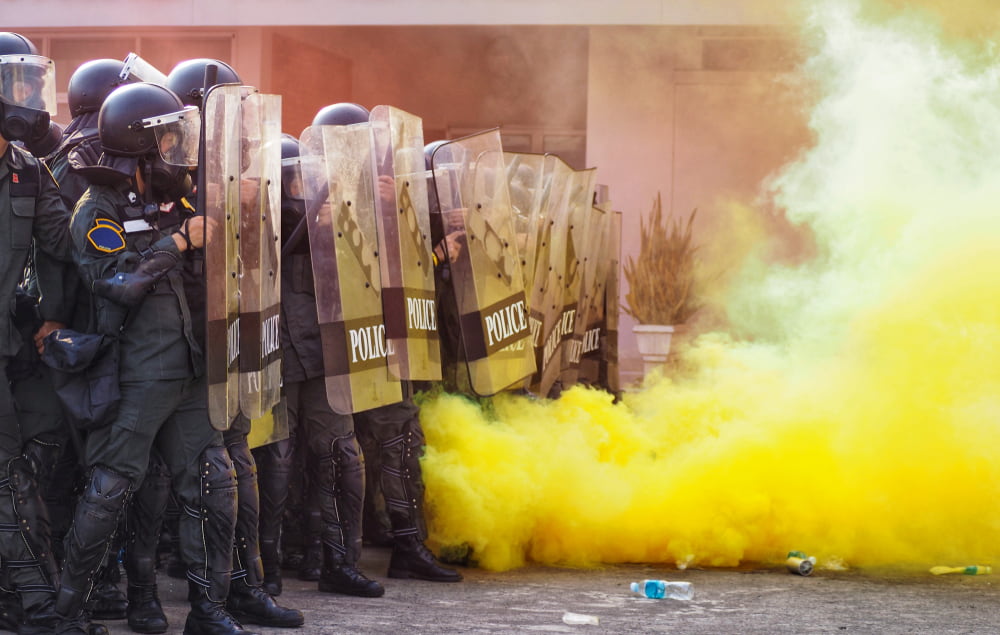
High-risk zones are the destinations where war, terrorism, political instability or kidnapping are ongoing threats rather than remote possibilities. This isn’t a static list either. Global Affairs Canada reviews and updates its travel advisories daily, and the picture shifts often. In one especially chaotic stretch in March 2026, the department issued “avoid all travel” warnings to ten different countries in a single day, including Lebanon, Israel and Palestine, Bahrain, the United Arab Emirates, Iraq, Iran, Qatar and Kuwait.
The Canadian government currently monitors travel advice for more than 230 destinations worldwide, so the “avoid all travel” list is longer than most people assume and changes constantly. Beyond the usual names like Afghanistan, Iraq, Syria, Sudan and Libya, entire regions can flip status overnight when unrest flares up. If your work sends you or your team into any of these areas, standard accident coverage won’t be enough. Supplemental high-risk insurance is designed to fill that specific gap.
What does High-Risk Insurance Cover?
Like a standard personal accident policy, high-risk coverage protects against medical emergencies and accidental death while you’re travelling or working somewhere dangerous. The difference is what gets added on top: Evacuation, kidnapping and extortion, and coverage written specifically for the country you’re heading into.
Medical coverage
Your everyday health plan almost certainly stops working the moment you land somewhere Global Affairs Canada has flagged as high-risk. A high-risk policy can be written to provide temporary medical coverage tied to a specific country or region, whether that’s Iraq, Afghanistan, Syria or wherever the job takes you. This matters more than people realize once they see the real cost of care abroad. Air ambulance transport alone can run from roughly $12,000 to $80,000 for a single trip within North America, and that number climbs fast once you’re talking about a transcontinental flight home from a remote or unstable region.
Life insurance
Accidental death risk is simply higher in these regions, and personal high-risk insurance accounts for that. If you die while travelling or working in a high-risk country, whether from a workplace accident, an act of terrorism or something else entirely, this coverage ensures your family isn’t left scrambling financially on top of everything else. It’s the kind of protection nobody wants to think about booking a flight, but the peace of mind is exactly the point.
Kidnap and ransom insurance
Negotiating a hostage release costs far more than most people expect, and the demand for this kind of protection keeps climbing. The global kidnap and ransom insurance market was valued at roughly USD 2.32 billion in 2024 and is projected to reach around USD 4.7 billion by 2034, according to Market.us, which is growth driven largely by political instability and companies expanding operations into higher-risk regions. A K&R policy connects you with experienced crisis negotiators and covers ransom payments, negotiation costs and related fees.
Emergency evacuation
Sometimes the smartest move is simply getting out, whether that’s due to a medical crisis, a political flashpoint or an act of terrorism. High-risk personal accident policies typically build in evacuation coverage so you’re not stuck footing an enormous bill for a last-minute exit, on top of everything else already going wrong.
Petra Insurance Solution
Whether you or your employees are heading to Iran, Iraq, Afghanistan, Sudan, Libya, Syria or anywhere else that’s landed on a “high caution” list this year, Petra Insurance builds high-risk policies around individual and group needs. Coverage can include:
- Accidental death, including war zone and terrorism-related incidents.
- Medical and emergency medical evacuation, including war zone and terrorism-related incidents.
- Kidnap, ransom and extortion protection.
- And more, depending on the specifics of the trip.
Career, medical history and age aside, an advisor can walk through existing coverage or put together a quote for new protection before travel to a high-risk destination begins. Given how quickly advisories change, it’s worth checking in before every trip rather than assuming last year’s coverage still applies. Take Niger, for instance, which moved to an “avoid all travel” designation in April 2026.
Contact a member of our team today. You can also reach us on Facebook, Instagram, Twitter, and LinkedIn.

RAMZI GHURANI
Managing Partner